

Uzochukwudinma Awele Otakpor
A recent environmental sustainability initiative at the Area 1 Internally Displaced Persons (IDP) Camp in Abuja delivered a life-changing impact by improving sanitation, promoting safer cooking methods, and strengthening waste management practices among displaced families. The project, implemented through a coalition of local NGOs and private partners, is helping residents adopt greener, healthier, and more sustainable living habits.

At the heart of the intervention were eco-friendly cookstoves that significantly cut firewood use and reduced indoor air pollution, an improvement that has particularly benefited women and children. Women in the camp also received hands-on training from Heela Green on producing biofuel briquettes. In addition, waste management training led by Memz Culture introduced residents to sorting, composting, and recycling, with women learning to transform plastic waste into useful items such as earrings and bangles. Community-led environmental education sessions further strengthened hygiene practices and encouraged active participation in sanitation drills, with more than 25 percent of residents now involved in weekly clean-up activities.
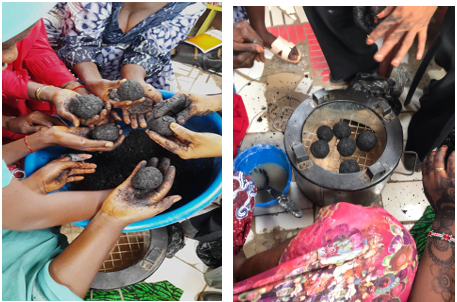
Camp residents and leaders expressed gratitude for the project’s wide-reaching benefits. “Before this project, I didn’t know I could use plastic containers to make earrings and bangles,” said Amina, an IDP resident. “Now I can make them and sell to support my family.” A community leader added, “The women have learnt how to keep the camp clean and empower themselves. We thank you for supporting this community.”
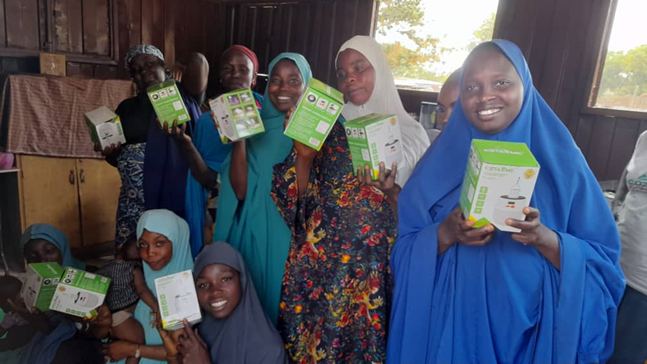
With plans underway to establish a Community Green Committee, expand recycling initiatives, strengthen youth-focused environmental education, and deepen partnerships with government agencies, stakeholders say the project marks a major step toward long-term sustainability. As partners reaffirm their commitment, the initiative continues to demonstrate that displaced communities can drive environmental change when equipped with the right tools, knowledge, and support.
Project Impact
| Impact Area | Results |
| Waste Management | Improved sanitation and community-led recycling and up scaling |
| Empowerment | Increased knowledge on biofuel production |
| Community Engagement | Over 25% of residents actively participating in Saturday drills and sanitation programme. |
Project lead: Uzochukwudinma Awele Otakpor (The Changemakers 22)
Implementing Partners; Betharbel Foundation and Green Nigeria.



No comment