
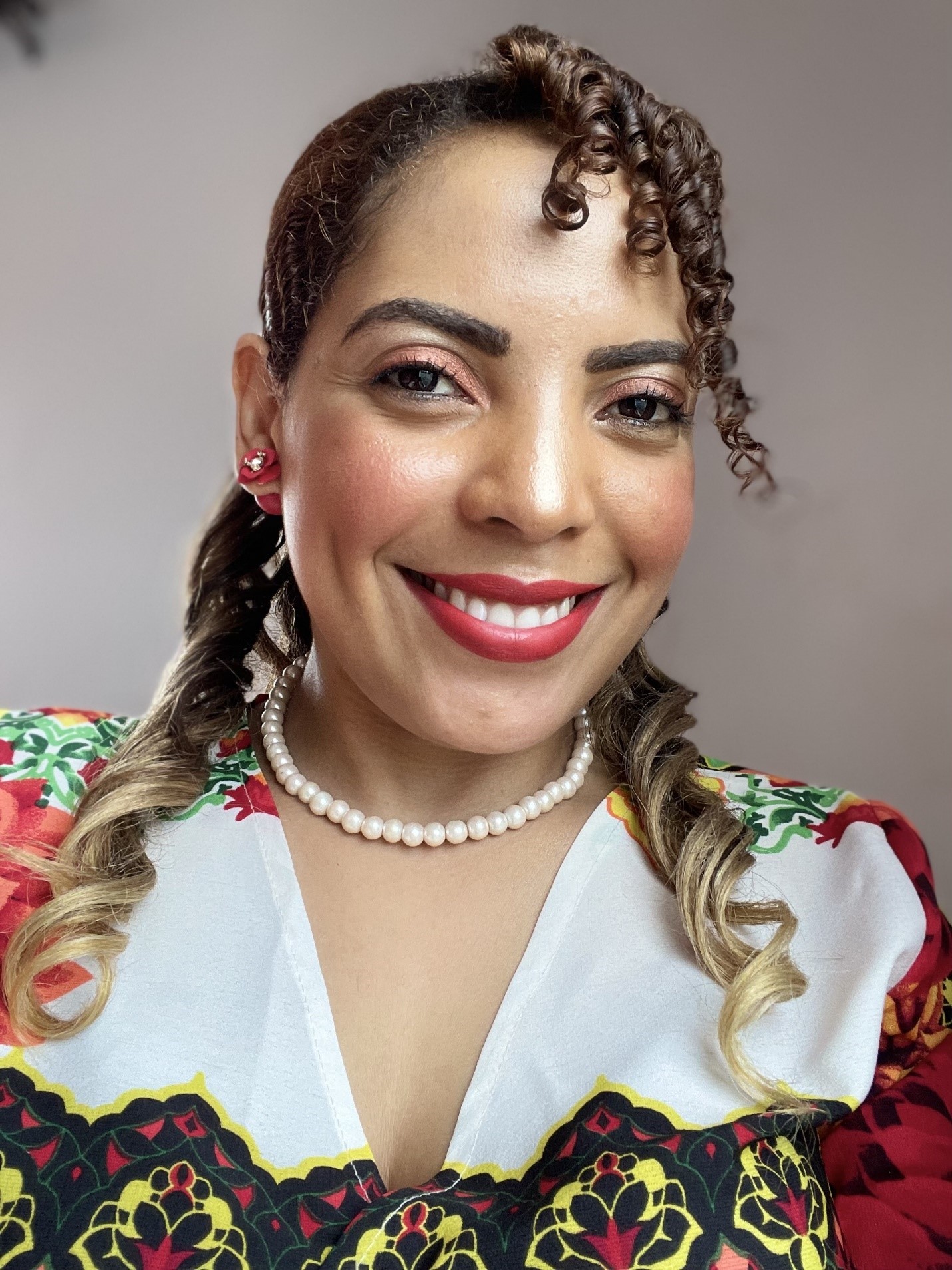
By Ambassador Ruby Kryticous
Globally, more than 1 billion people experience disability, representing about 15% of the world’s population. Let’s remember that some disabilities are not heritable, some are developed over the course of our lifetime and others are caused by differ forms of influencing factors such as accidents, illness, injury or conflict induced disability.
Conflict induced disability is becoming more prevalent among people in war zones who are becoming more vulnerable to loss of mobility due to injury from crushes or air strikes.
The World Health Organization (WHO) defines a person with a disability as someone who has a problem in body function or structure, an activity limitation, movement, hearing, speech, understanding or a restriction in participation. The number of people with disabilities is increasing due to factors like population aging and rising chronic health conditions
The term “disability” covers a wide range of conditions that limit a person’s ability to do certain activities. There are many types of disabilities, including those that affect vision, hearing, sight, speech, cognition, and mobility. Some of these disabled individuals are not born with these conditions but over time due to illness they affect their ability to do many things. Disability can occur from genetic conditions and congenital issues at birth, such as Down syndrome. It can also be acquired later in life due to chronic illnesses like heart disease or cancer, accidents, traumatic brain or spinal cord injuries, strokes, or mental health conditions. Human Rights Council resolution 41/21 (A/HRC/RES/41/21) requested the Office of the United Nations High Commissioner for Human Rights to prepare “an analytical study on the promotion and the protection of the rights of persons with disabilities in the context of climate change…” and a panel discussion at the 44th session of the Human Rights Council on the same topic.
Every year on December 3rd, the world commemorates the International Day of People with Disabilities (IDPD) — a day set aside to celebrate achievements, promote understanding, and advocate for the rights and dignity of persons with disabilities. But beyond celebration lies a deep and urgent call to action: as the effects of climate change intensify, so do the barriers that persons with disabilities face every day.
Climate Change: A Growing Inequality
Climate change is often described as the greatest threat to humanity. Yet its impacts are not felt equally. Across the world, extreme weather events from floods and droughts to heatwaves and cyclones are worsening living conditions, displacing millions, and deepening poverty. For persons with disabilities, these impacts are multiplied by existing social, physical, and economic barriers.
When disasters strike, many persons with disabilities are among the last to be evacuated, not because they are unwilling, but because emergency systems are not designed with accessibility in mind. Shelters lack ramps and accessible facilities, early warning messages are often not available in sign language or braille, and response teams are rarely trained to support diverse needs. As temperatures rise we are noticing that persons with albinism are more susceptible to skin diseases due to their sensitivity to Ultraviolet rays. However lack of information and protective clothing makes it more difficult for those with albinism in rural communities to access affordable or free sunscreen for protection.
In rural communities, where poverty and disability intersect, climate change also disrupts livelihoods. Small-scale farmers with disabilities may lose crops and income, while facing greater challenges in accessing recovery assistance or credit. Rising heat and poor air quality can worsen certain health conditions and disabilities, while damaged infrastructure cuts off access to essential medical and rehabilitation services.
The Intersection of Climate Justice and Disability Rights
Persons with disabilities make up an estimated 16% of the global population, roughly 1.3 billion people and yet they have no seat at the decision table. Yet they remain underrepresented in national and international climate discussions.
Their exclusion from planning and decision-making processes not only violates their rights but also weakens our collective response to the climate crisis.
True climate justice means more than reducing emissions or planting trees. It means ensuring equitable access that no one is left behind especially those whose voices have been historically silenced. Disability inclusion is not charity; it is a matter of human rights, equality, and resilience.
Climate policies that ignore the needs of persons with disabilities risk deepening inequality and vulnerability. But when inclusion becomes a centralized policy that strengthens equality such as we design accessible evacuation routes, inclusive travel, invest in inclusive infrastructure, sign language, braille, digital assistive communication systems that involve persons with disabilities as leaders we build entire communities that become stronger and more resilient.
Inclusion in Action: What Must Be Done
To achieve an inclusive and sustainable future, governments, organizations, and communities must work together to embed disability inclusion into every climate action strategy. This means:
Inclusive Policy Design: All national climate policies and disaster management frameworks should recognize persons with disabilities as key stakeholders. Their participation must be guaranteed in consultations and decision-making spaces.
Accessible Information and Infrastructure: Early warning systems must include sign language interpretation, captioning, and messages in easy-to-read formats. Climate-resilient infrastructure — from schools to shelters — must be physically accessible to all.
Capacity Building and Empowerment: Train local authorities and responders to understand the diverse needs of persons with disabilities during disasters. Invest in education, technology, and employment opportunities that empower them to take part in adaptation and mitigation efforts.
Data and Research: Collect disaggregated data on disability and climate impacts to inform better planning and funding. Without accurate data,
persons with disabilities remain invisible in climate programs.
Inclusive Financing: International donors and climate funds should allocate resources for disability-inclusive adaptation and resilience projects, ensuring accessibility is not an afterthought but a built-in priority.
A Call for Global and Local Leadership
In Zambia, across Africa and the Global Community, where climate change threatens food security, health, and livelihoods, disability inclusion must move from talk to action. Civil society groups, youth movements, and policymakers should collaborate to ensure that persons with disabilities are not just beneficiaries of climate programs but active leaders and innovators within them.
We must also challenge societal attitudes the idea that persons with disabilities are passive or dependent. Many are already leading change: designing adaptive technologies, championing sustainable farming, and driving awareness in their communities. What they need is not sympathy, but support, accessibility, and visibility.
Conclusion: Inclusion Is the Heart of Climate Action
As we mark the International Day of People with Disabilities, let us remember that the fight against climate change is also a fight for equality, dignity, and justice for those that may have no voice. Every climate policy that fails to include persons with disabilities is incomplete and disadvantages the next generation; every adaptation strategy that excludes persons with disabilities weakens our fight to inclusion. This world is not created for persons with disabilities but when we make changes in the social system, economic development and political agendas we make each day easier to bear for them to thrive.
Now is the time for bold action inclusive action at all levels, communities, schools, bus stations, football fields, airports, playgrounds, work places and more. Governments, NGO organizations, private sector, philanthropists and individuals must rise together to this challenge — not just by recognizing persons with disabilities, but by empowering them as partners and decision-makers in building a resilient, sustainable future for the next generation.
Because climate justice is disability justice, and the world we save must be a world where everyone regardless of ability can live, thrive, and belong, we must work together by ensuring that we make it a priority.
Kindness starts with you and me being able to create a place and show respect to others.

No comment