

By Ibraheem Haruna
Climate justice in Africa cannot be understood solely as a technical or environmental challenge. It is a political, ethical, and human development issue. It asks: Who is most vulnerable to climate impacts? Who decides the policies and solutions? Who benefits from resources and technologies?
Globally, Africa accounts for less than 4% of historical greenhouse gas emissions, yet it bears disproportionate burdens of climate impacts (IPCC, 2022). Communities dependent on rain-fed agriculture nearly 60% of Africa’s workforce are highly exposed to drought, floods, and unpredictable seasons (FAO, 2023). Justice therefore demands equity: recognition of Africa’s limited contribution to the crisis, responsibility of major emitters, and agency of Africans to define solutions.
Community Power: Indigenous Knowledge and Local Leadership
1. Farmer-Managed Natural Regeneration (FMNR) in the Sahel
In Niger and Burkina Faso, communities have revived degraded lands through Farmer-Managed Natural Regeneration (FMNR). Instead of costly external interventions, farmers regenerate trees and shrubs from existing root systems, boosting soil fertility, increasing crop yields, and restoring biodiversity (World Resources Institute, 2019). This locally-driven practice has restored over 5 million hectares of land in Niger, sequestered millions of tons of carbon, and improved food security for millions.
2. The Great Green Wall Initiative
Stretching across 11 African countries, the Great Green Wall is Africa’s boldest land restoration project, aiming to restore 100 million hectares by 2030. Yet beyond its scale, the initiative highlights inclusivity: women’s cooperatives are central in producing seedlings, managing nurseries, and diversifying livelihoods (UNCCD, 2022). It demonstrates that climate justice is not just about ecosystems but about empowering marginalized voices, especially women and rural communities.
3. Traditional Water Harvesting in Ethiopia
In Tigray, Ethiopia, communities have long relied on stone bunds, terraces, and check dams to harvest rainwater and reduce soil erosion. These techniques, adapted and scaled through government-community partnerships, have rehabilitated watersheds, improved groundwater recharge, and sustained agricultural productivity (Gebregziabher et al., 2016). Here, traditional practices meet modern scaling strategies, proving inclusivity is also about respecting indigenous wisdom.
Youth Innovation: Africa’s Climate Vanguard
Africa’s demographic dividend its large and growing youth population is both a challenge and an opportunity. With 60% of Africans under the age of 25, the continent is home to the largest youth population in the world. This generation is not waiting for solutions; it is inventing them.
1. Solar-Powered Irrigation – Kenya
In Kenya, startups like SunCulture are equipping smallholder farmers with affordable solar-powered irrigation kits. By reducing dependence on diesel pumps, these systems cut carbon emissions, lower input costs, and increase productivity, enabling farmers to grow year-round crops despite rainfall variability (SunCulture, 2023). Many of the innovators behind these projects are young African engineers and entrepreneurs.
2. Atmospheric Water Harvesting – Kenya
Another Kenyan startup, Majik Water, founded by young women entrepreneurs, is pioneering low-cost devices that harvest potable water from the air using solar technology. This innovation provides clean drinking water to arid communities, reducing conflict over scarce resources and strengthening resilience against drought (Majik Water, 2022).
3. Digital Platforms for Advocacy
Across Africa, youth movements like Fridays for Future Africa are pushing climate justice to the center of political discourse. In Uganda, activist Vanessa Nakate has become a leading global voice, challenging world leaders to address Africa’s disproportionate vulnerability (Nakate, 2021). Digital platforms amplify African youth voices, creating accountability and re-centering the narrative of justice.
Equitable Water Systems: The Lifeline of Justice
Water lies at the intersection of climate impacts, human rights, and justice. Droughts, floods, and poor governance intensify inequality in water access. Inclusive climate pathways must therefore address water as both a survival need and a driver of justice.
1. Sand Dams in Kenya and Tanzania
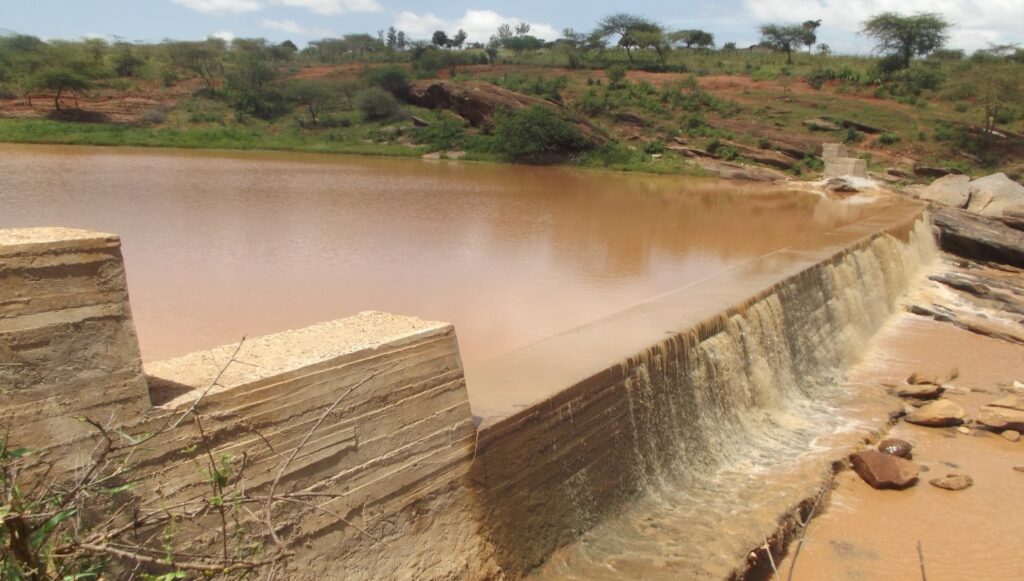
Sand dams low-cost, community-built structures that store rainwater in riverbeds are transforming water access in semi-arid regions. In Kitui, Kenya, sand dams have provided reliable water for households and livestock, reduced the burden on women and children who walk long distances for water, and enabled dry-season farming (Lasage et al., 2015). By centering community ownership, sand dams embody inclusive, justice-oriented solutions.
2. Working for Water – South Africa
South Africa’s Working for Water programme integrates environmental restoration with social justice. It pays unemployed youth and women to clear invasive alien plants that consume scarce water resources, thereby increasing water availability while providing jobs and skills (Turpie et al., 2008). This model demonstrates how ecological restoration can simultaneously advance poverty alleviation and gender inclusion.
3. Solar Boreholes in Nigeria
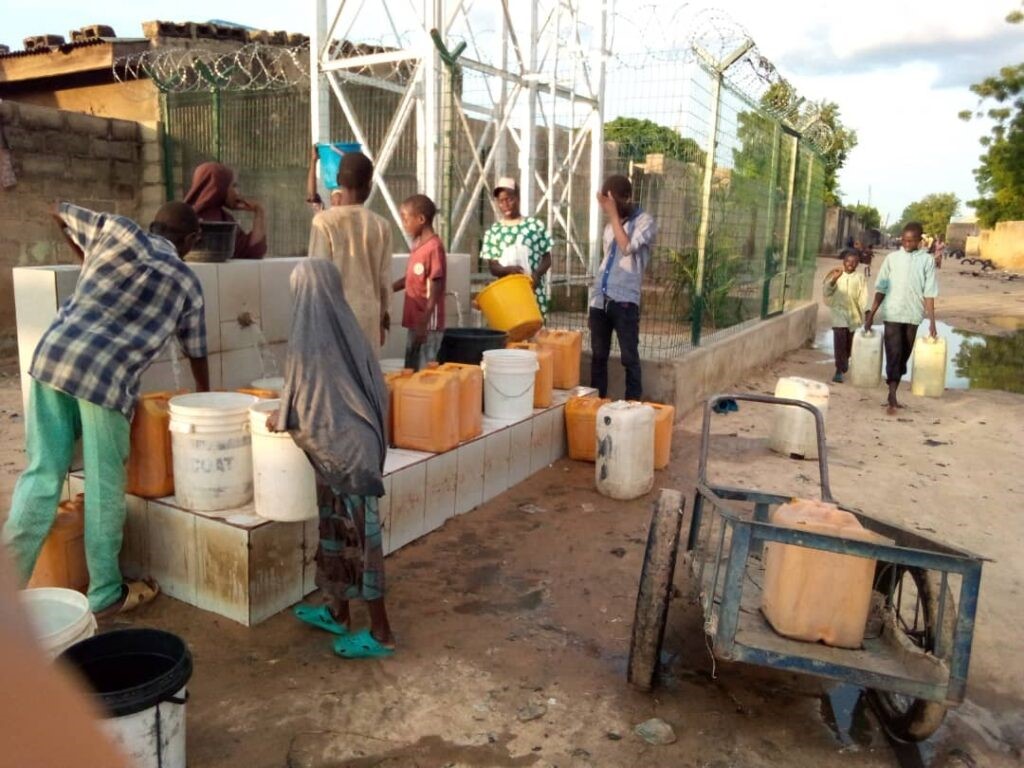
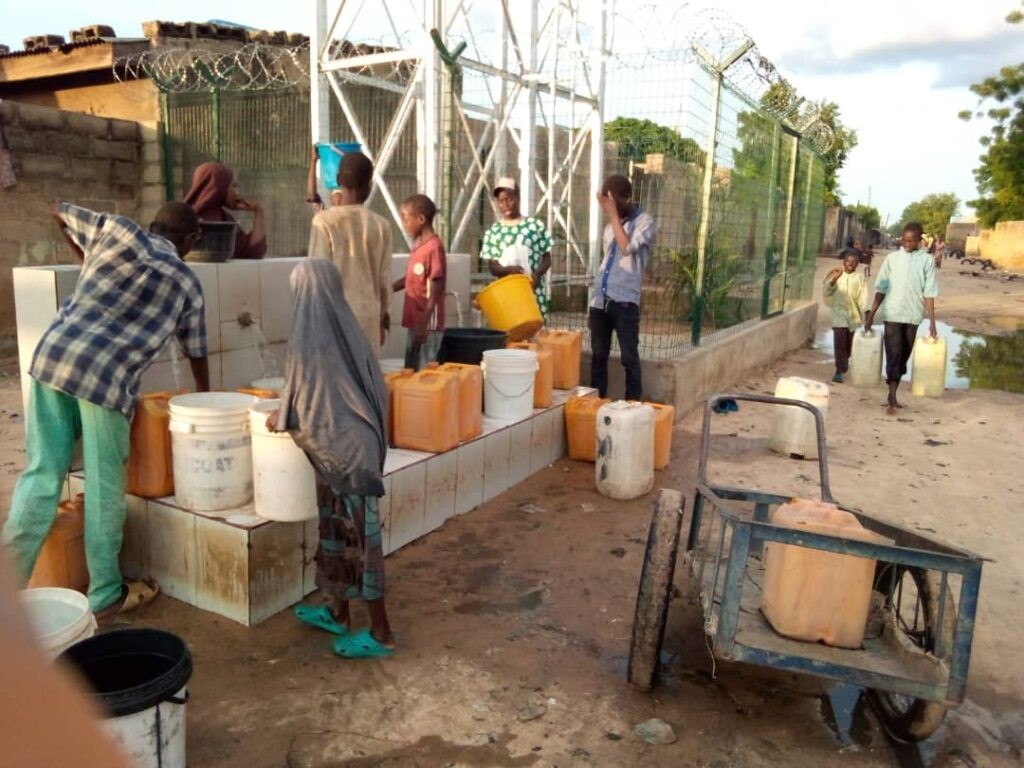
In northern Nigeria, solar-powered boreholes supported by NGOs and local governments are providing clean water to drought-prone communities. Beyond water supply, these boreholes reduce dependence on unsafe water sources, lower risks of waterborne diseases, and reduce tensions linked to pastoralist-farmer conflicts (WaterAid, 2023). Here, water management becomes a foundation for peacebuilding.
Africa’s Position in the Global Climate Discourse
Africa’s narratives on climate justice must not be peripheral at global forums like the UNFCCC COP meetings. The upcoming COP30 in Belém, Brazil, offers a critical stage for African leaders, civil society, and innovators to push for stronger commitments on adaptation finance, loss and damage, and fair technology transfer (UNFCCC, 2024). The fight for climate justice is not about charity but about rights, reparations, and recognition.
Africa’s progress, however, is undermined by chronic underfunding. While the continent needs $2.8 trillion by 2030 to implement its Nationally Determined Contributions (NDCs), climate finance flows remain grossly insufficient and skewed toward mitigation, leaving adaptation underfunded (AfDB, 2022). Addressing this imbalance is central to justice.
Policy and Action Recommendations
- Scale Community Solutions: Support indigenous practices like FMNR and sand dams with national policy frameworks and financial incentives.
- Invest in Youth Innovation: Expand access to climate financing, incubators, and mentorship programs for youth-led startups.
- Gender-Responsive Approaches: Prioritize women’s leadership in climate initiatives, ensuring equitable participation in decision-making.
- Water Justice as Policy: Enshrine the human right to water in climate adaptation policies and allocate funding to community-owned water systems.
- Global Advocacy: Strengthen African bargaining power at COP30 and beyond by building unified continental positions on loss and damage financing.
- Private Sector Partnerships: Leverage African private sector actors in scaling renewable energy and water innovations.
Visionary Outlook: Rising with Resilience
Africa’s inclusive climate justice pathway is not about replicating Western models but building from within amplifying local knowledge, leveraging youth creativity, and ensuring justice for the most vulnerable. The continent’s resilience lies in its communities, its diversity of ecosystems, and its youthful energy. By centering inclusivity, Africa can redefine what climate justice looks like: not as a reactive struggle but as a proactive blueprint for global sustainability.
As the world looks toward COP30 and beyond, Africa’s voice must be louder, clearer, and united in demanding justice not as victims of climate change, but as visionaries leading with resilience and inclusivity.



No comment