

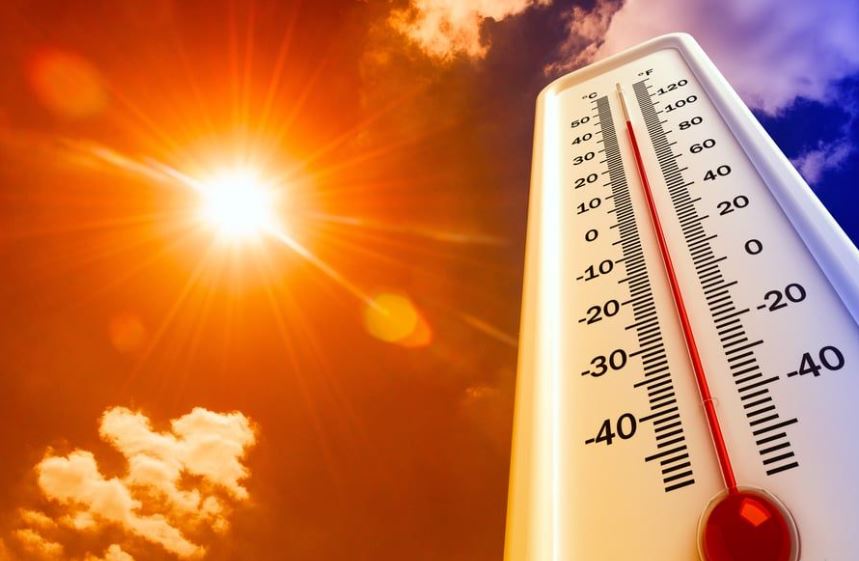
HERA launches free rapid-response service to connect policymakers, grassroots groups, and journalists with leading heat and health specialists, as extreme heat seasons intensify across the continent.
As scorching heat seasons take hold across Africa and the rest of the world, a new initiative is bridging the critical gap between climate science and the people who need it most. HERA (formerly Climate Resilience for All) has launched the Heat Science Hotline, a free, rapid-response service that connects decision-makers, community organizations, journalists, and donors directly to a multidisciplinary board of global heat, climate, and health experts.
Designed to deliver actionable, evidence-based guidance tailored to specific contexts, the Hotline aims to help frontline responders move faster and more effectively. Users submit questions online and receive personalized advice, whether on cooling infrastructure, early warning systems, nature-based solutions, or funding proposals, grounded in the latest science and local realities.
“We are in a global heat emergency, and the people working hardest to respond are doing so half-blindfolded,” said Kathy Baughman McLeod, founder and CEO of HERA. “The science exists. The expertise exists. The Heat Science Hotline makes both visible and transforms that disconnect by grounding solutions in the best available science.”
African Expertise at the Forefront
The Hotline is powered by a growing board of experts spanning six continents, with most members based in the Global South. Co-chaired by Neha Mankani of the International Confederation of Midwives and Gregory Wellenius, Director of the Center for Climate and Health at Boston University, the board includes specialists in urban planning, epidemiology, meteorology, data science, and midwifery, ensuring that guidance reflects the diverse realities of communities facing extreme heat.
For African organizations working on the frontlines, the service comes as a timely resource. Betty Osei Bonsu Adjei, Director of Operations & Programs at the Green Africa Youth Organization (GAYO), which operates across Uganda, Ghana, Botswana, Kenya, Senegal, Mali, Madagascar and South Africa, welcomed the initiative.
“As GAYO expands across Africa, we need access to the strongest possible science and evidence to respond to the scale of the challenge communities are facing,” she said. “The Heat Science Hotline will be a critical tool for us, helping to ensure that our solutions are grounded in sound science and shaped by the realities people are experiencing now. Young people are already leading climate action across Africa. With the right expertise at our fingertips, we can move faster, design better, and better support communities.”
Closing the Gap Between Science and Action
Extreme heat is the deadliest climate hazard globally, straining power grids, disrupting food systems, and threatening livelihoods, yet those racing to respond often lack quick access to locally grounded science. The Hotline aims to close that gap by translating intersectional research into practical guidance, with a focus on vulnerability factors such as geography, gender, age, and occupation.
“No single discipline can capture the full complexity of heat risk and resilience,” said Dr. Gregory Wellenius. “Looking at problems from multiple perspectives allows us to identify what might otherwise be missed, a cooling center plan that overlooks the distinctive needs of seniors, women, or families, or an urban greening initiative that fails to build heat resilience in an equitable manner.”
While there is no actual telephone, the Hotline accepts online submissions and publicly catalogs responses to build a shared knowledge base. It is designed to go beyond generative AI by centering human expertise, lived experience, and multidimensional perspectives.
“Integrating evidence with practitioner insight from frontline settings is essential to delivering better outcomes for babies and families,” said Neha Mankani, who has worked extensively with women and infants during extreme heat in Pakistan.
As heat seasons grow longer and more intense across Africa, the Heat Science Hotline offers a timely tool to ensure that solutions are not only scientifically sound but also rooted in the realities of the communities most at risk.
Click here to read related news




No comment