

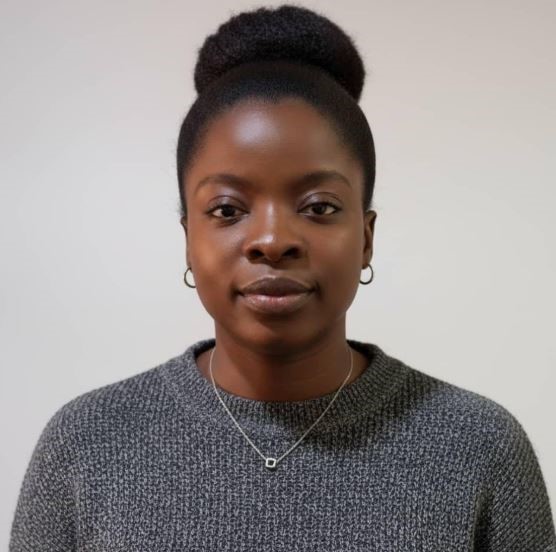
By Ewi Lamma: Cameroon
Walking through the quiet, green campus of the University of East Anglia each morning stirs in me a sense of hope, but also a deep sense of urgency. Studying in Norwich has given me space to reflect not just academically, but personally, on the fast-changing climate and what it means for people like my family and community back home in Cameroon.
Growing up in rural Cameroon, weather was never just something to check on a smartphone app. It shaped the rhythm of daily life and the heartbeats of our fields. When rain came on time, crops grew, children laughed, and stories flowed under mango trees at dusk. Now, the weather patterns our elders once read with the wisdom of generations have become erratic rainstorms arriving months late, or not at all. Droughts bite deeper, forcing women and girls to carry water over longer distances, as once-reliable springs dry up. Here in the UK, climate change is a topic of lectures, research, and policy debate. In Cameroon, it’s a daily struggle, especially for rural women.
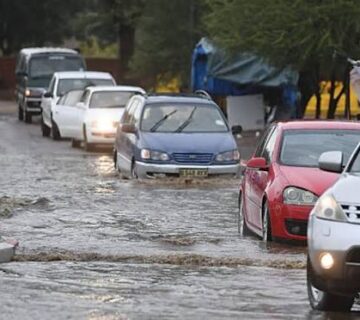
Each year, more families are forced to leave their land as soil becomes exhausted and floods or dry spells destroy harvests. These are not abstract problems. They are names, faces, and futures my own classmates as a child, mothers who found new strength as leaders in our community, youth who now dream of migrating for work. The climate crisis is re-writing our village stories, one season at a time. What’s most painful is the realization that those contributing least to this crisis are suffering its consequences first and worst. Yet, that’s not the end of the story.
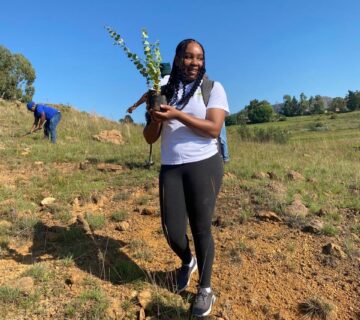
I have witnessed incredible resilience; women organizing cooperative gardens that survive under harsh conditions, young people leading reforestation campaigns, communities building new wells and innovating with drought-resistant crops. Their resourcefulness fuels my studies and commitment at UEA, where I am learning more about policy, adaptation strategies, and the structural changes that are urgently needed. Every day in the UEA classroom, I am reminded that climate change is a shared challenge but not an equal one. Solutions must be as local as they are global.
My hope is that by bringing together the knowledge gained in Norwich and the lived realities from Cameroon, we can create a future where stories of climate loss turn into stories of climate leadership and communal strength. The impacts of climate change are real, relentless, and deeply personal. But so too is our capacity for adaptation and transformation.
My journey from the red earth of Cameroon to the green lawns of UEA underscores that though the crisis is vast, so too is our potential for hope, action, and change.

No comment