

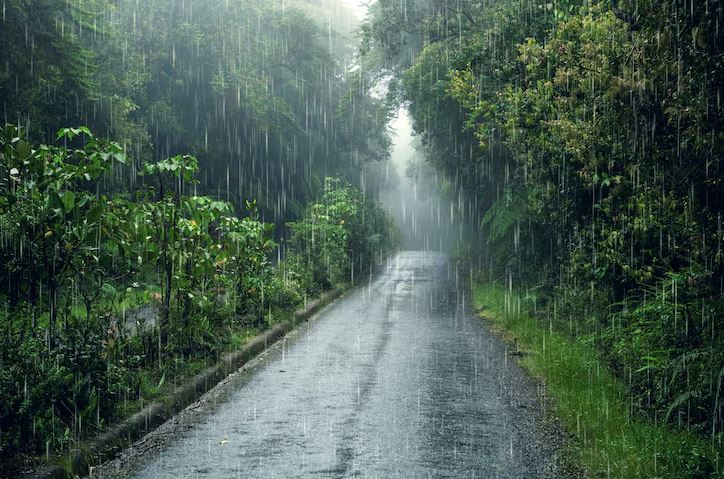
Africa’s water story has shifted from one of predictable seasonal rhythms to a relentless cycle of contradictions. Sudden downpours that drown fields and homes, followed by months of unrelenting drought that starve rivers and parch the land. It is a profound demonstration of what happens when climate extremes don’t just occur in isolation, but collide and compound across landscapes and societies.
Today’s climate reality in Africa no longer fits the old pattern of “wet season vs dry season.” Instead, rainfall arrives in intense bursts, often when and where it is least needed, then disappears again, offering neither sustained relief for crops nor dependable flows for communities. Meanwhile, heatwaves and rising surface temperatures accelerate evaporation and shrink rivers that once powered farms, cities, and hydropower systems.
The result is a cruel paradox: floods and droughts happening in tandem. In some regions, seasonal rains now saturate soils and overwhelm poorly prepared infrastructure, damaging homes and triggering disease outbreaks, while in others, the rains never arrive long enough to refill aquifers or nourish crops. What this collision of extremes reveals is that water security is no longer just about quantity, it is about timing, distribution, and reliability.
This forces a critical paradigm shift in how we think about climate risk. We must move beyond siloed approaches that treat drought, heat, or floods as separate threats. Climate change is amplifying the water cycle, intensifying extremes, and stripping away the natural predictability that societies have relied on for generations. This isn’t a future risk, it is today’s reality.
From coastal lands eroded by rising seas to inland agricultural zones where water scarcity now limits food production, climate volatility is reshaping economic opportunities, human mobility, and even social stability. Access to water, once an assumed basic right is increasingly being defined by climate volatility rather than geography alone.
Leadership in this era demands bold vision and strategic partnerships:
- Data-driven adaptation, to anticipate compound extremes rather than react to them;
- Investment in resilient infrastructure that can withstand both floods and droughts;
- Inclusive governance models that protect the most vulnerable from the disproportionate impacts of water scarcity; and
- Rapid decarbonization, because the underlying driver of these extremes remains unchecked greenhouse gas emissions.
When climate extremes collide, the cost is human — in livelihoods lost, in food systems weakened, and in futures deferred. But it also offers leaders a defining moment: to reimagine our relationship with water, to align resources and policies with the realities of a changing climate, and to ensure that resilience is not a privilege of the few, but the foundation for all who call this continent home.




No comment