

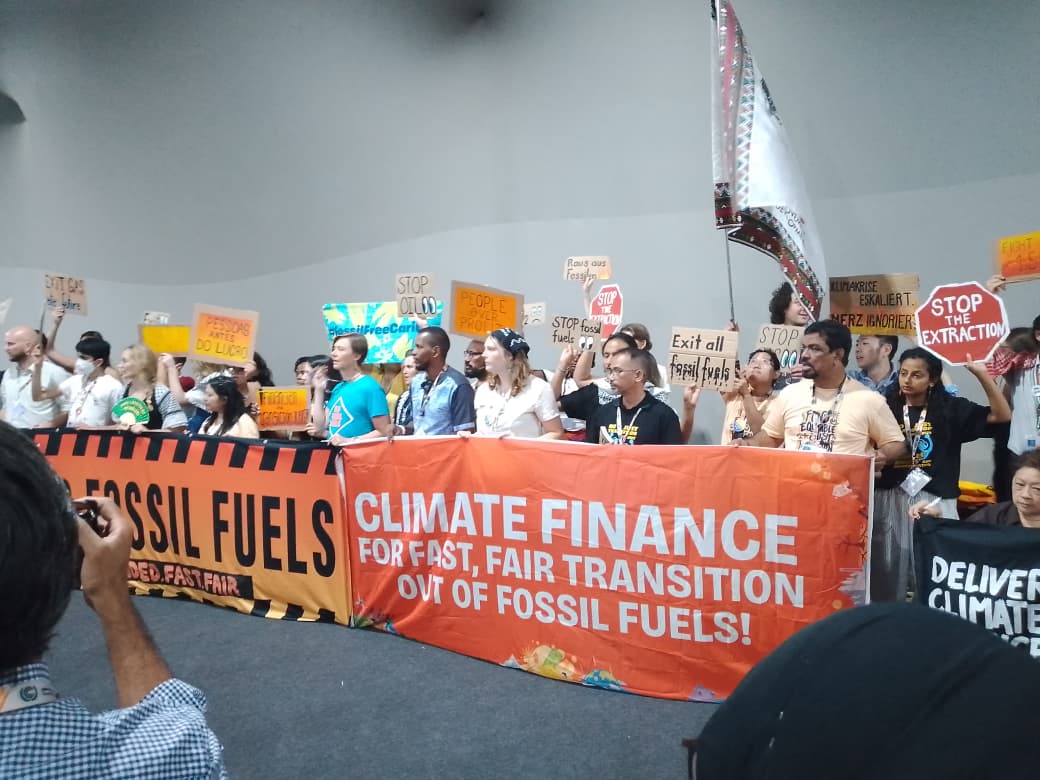
COP 30 placed people and frontline communities at the center of global climate action, signaling a powerful shift toward justice, inclusion, and equity. This year’s outcomes made it clear that climate solutions are most effective and most sustainable when they are shaped and led by those who are living closest to the impacts.
A major breakthrough came with historic commitments to secure land rights for Indigenous Peoples, traditional communities and Afro-descendant groups. Through the new Intergovernmental Land Tenure Commitment, governments pledged to safeguard 160 million hectares of ancestral lands, an unprecedented recognition of the role Indigenous stewardship plays in protecting forests, biodiversity and cultural heritage. At least 20% of the multi-billion-dollar Tropical Forest Forever Facility will now flow directly to Indigenous and local communities, ensuring they have the resources and autonomy to drive conservation and restoration on their own terms.
Locally-led adaptation also took center stage, with communities leading mangrove restoration, fire management, resilient agriculture, and early-warning systems across vulnerable regions. These solutions are rapidly scaling because they are rooted in local knowledge, traditional practices and lived realities. Frontline communities are not simply beneficiaries—they are the architects of resilience.
The Global South emerged as a driving force at COP 30. Countries across Africa, Latin America, the Caribbean and the Pacific championed nature restoration, clean energy access, innovative transport systems, and blue economy initiatives. Their leadership underscored a growing truth: climate justice is inseparable from climate ambition.
Behind every pledge were stories of farmers adapting to climate shocks, youth advocates shaping national policies, women leading land restoration, and Indigenous experts guiding global strategies. COP 30 proved that when communities are empowered with rights, resources and respect, climate action becomes more effective, more durable, and more just.
This people-centered approach rooted in equity, inclusion and participation is now shaping the future of climate action. COP 30 sent a clear message: solutions must uplift those most affected, honor Indigenous knowledge, and ensure that the transition to a greener world leaves no one behind.





No comment