

By Rozaline Joseph
Climate change is no longer a distant threat; it is a reality that is transforming lives and livelihoods across Namibia. While every Namibian is affected, some communities bear a disproportionate burden. Among the most vulnerable are persons with disabilities, whose experiences shed light on the intersection of environmental, social, and health challenges.
Moreover, the impacts of climate change do not fall equally on everyone. According to firsthand accounts, individuals with disabilities in Namibia already face significant barriers to education, healthcare, and employment. Now, worsening environmental conditions are magnifying these challenges. Rising temperatures, prolonged droughts, and extreme weather events are making it harder for people with physical or sensory disabilities to access essential services. For many, traversing flooded paths or sandy roads to reach clinics or schools becomes nearly impossible, especially in rural areas with limited infrastructure.
In addition, during emergencies, the lack of accessible warnings and evacuation instructions further endangers those with sensory disabilities, highlighting a critical gap in the country’s disaster response systems.
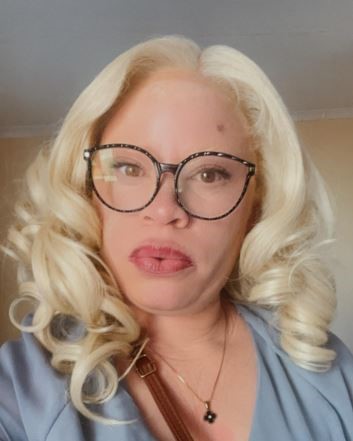
Furthermore, being a person with albinism, which is a genetic condition marked by little or no melanin production, brings its own set of health risks. In Namibia’s harsh and intensifying sun, people with albinism face daily threats of severe sunburn, skin cancer, and eye damage. Finding affordable sunscreen and protective hats is a struggle, especially during drought or economic hardship, for many families, these essential items are simply out of reach. Lack of public awareness and accessible information about sun exposure risks compounds the problem, leaving those with albinism particularly vulnerable as Namibia’s climate becomes hotter and drier.
Simultaneously, women with disabilities, including those with albinism, are at the crossroads of multiple forms of discrimination. Gender inequality remains a pressing concern in Namibia, with women often shouldering the burdens of poverty, resource scarcity, and social exclusion. Climate change only deepens these inequalities. For instance, when water sources dry up, it is typically women and girls who must travel farther to collect water, a task made even harder for those with mobility or visual impairments.
Meanwhile, stigma and myths surrounding albinism persist in many communities, leading to isolation and, in times of crisis, increased vulnerability. As climate pressures mount and resources become scarcer, social tensions can rise, leaving marginalized groups further at risk.
Nevertheless, despite these obstacles, many women with disabilities in Namibia display remarkable resilience. Advocacy is crucial, they say, for ensuring that climate adaptation efforts are truly inclusive. We need our government and NGOs to design strategies that understand and address our unique needs. This includes accessible public health campaigns, affordable sun protection, and emergency response systems that reach everyone.
Furthermore, there is also a call for greater representation in decision-making. “Our voices matter. Including people with disabilities in discussions about the environment and climate solutions will help build a more resilient Namibia for all.
Climate change is not just an environmental problem; it is a question of social justice. As Namibia confronts the realities of a changing climate, it must also recognize and address the unique vulnerabilities of persons with disabilities. Only by doing so can the nation ensure that no one is left behind in the pursuit of a sustainable future.
No comment