
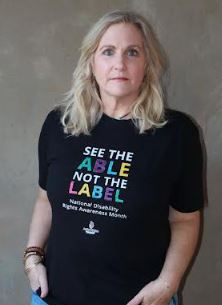
By Lana Leas-Roy, Programme Lead Disability Inclusion: Afrika Tikkun
The Hidden Vulnerability
When disasters strike; floods, droughts, heatwaves, persons with disabilities face disproportionate risk. People with disabilities are more likely to be left behind during evacuations due to inaccessible facilities, services, and transportation systems. Yet they remain largely invisible in climate planning and response.
In South Africa, where climate extremes are intensifying, over 200 children and youth with disabilities in Afrika Tikkun’s programs face compounded crises daily: load shedding disrupts life-saving medical equipment, rising food prices devastate families already stretched by disability costs, extreme weather closes schools and eliminates access to therapies, and climate disasters force parents to lose income they can’t afford to lose.
Why This Matters Now
Climate change poses numerous threats including physical and mental health impacts, environmental damage, housing insecurity, and food shortages—with people experiencing multidimensional poverty being most vulnerable. Persons with disabilities living in poverty face the perfect storm of vulnerability.
The deadly gap: Emergency plans are designed without consulting persons with disabilities. Evacuation routes ignore mobility needs. Warning systems exclude those with sensory or cognitive disabilities. Power outages affect medical equipment that many people with disabilities depend on, and relief centers lack accessible facilities.
Afrika Tikkun’s Response: Building Climate-Resilient Inclusion
What We’re Doing Across Our Programs:
- Sensory-friendly emergency drills for children with Autism, Cerebral Palsy, Down Syndrome etc
- Visual communication systems for various climate warnings
- Backup power for equipment during load shedding
- Sensory Rooms for children facing trauma as a result of various deadly and emergency situations caused by climate changes.
- Green skills training (solar installation, urban agriculture, water conservation)
- Microenterprise support
- Employer education on reasonable accommodation for people with disability
Community Strengthening:
- Parent support preparedness groups
- WhatsApp-based accessible support networks
- Disability-inclusive community gardens for food security
- Peer-to-Peer mentorship programmes.
Low-Cost Innovations that Afrika Tikkun would like to implement in the near future:
The Buddy System: Every child with a disability paired with a peer who knows their needs during emergencies, simple, effective, free.
Accessible Alert Network: Free WhatsApp weather warnings in multiple formats (voice notes, pictures, text) gave families two hours’ additional preparation during recent floods.
Equipment Sharing Library: Families borrow generators, cooling devices, and climate-adaptation equipment during extreme weather—making resources accessible regardless of income.
Skills Swap: Youth with disabilities teach communities about accessibility in exchange for learning climate-smart skills everyone’s knowledge becomes everyone’s resource.
What We are Learning:
Inclusion makes everyone safer – Accessible emergency responses benefit parents with children, elderly people, and everyone
Persons with disabilities are assets – They bring unique problem-solving perspectives to climate challenges
Early intervention saves lives and money – Prevention costs less than emergency response
Technology equalizes – Digital tools can dramatically reduce vulnerability when designed inclusively
What are The Gaps That Remain
- Policy blindness: South Africa’s National Climate Change Adaptation Strategy barely mentions disability
- Funding gaps: Climate funds don’t reach disability organizations; disability funds ignore climate dimensions
- Data absence: No one tracks climate impacts on persons with disabilities—invisibility in data means invisibility in planning
- Capacity constraints: Most emergency responders lack disability inclusion training
Urgent Call to Action
For Government: Include disability in all climate planning. Mandate accessibility in climate infrastructure. Partner with disability organizations.
For Funders: Allocate dedicated funding for disability-inclusive climate action. Support organizations bridging these sectors.
For Organizations: Audit your climate programs for disability inclusion. Consult Afrika Tikkun for technical support.
For Communities: Check on neighbors with disabilities during extreme weather. Advocate for accessible climate solutions.
For Persons with Disabilities: Your voice is essential. Demand seats at climate planning tables. Document challenges. Share solutions.
The Bottom Line
Climate change is not a future threat for persons with disabilities in South Africa, it is a present crisis. We can choose to continue leaving them behind, or we can harness their insights and resilience to build communities that survive and thrive.
At Afrika Tikkun, we’re proving that inclusion isn’t just right, it’s smart. When we prepare for everyone, we’re prepared for anything. The question isn’t whether we can afford to make climate action inclusive. It’s whether we can afford not to.

No comment