

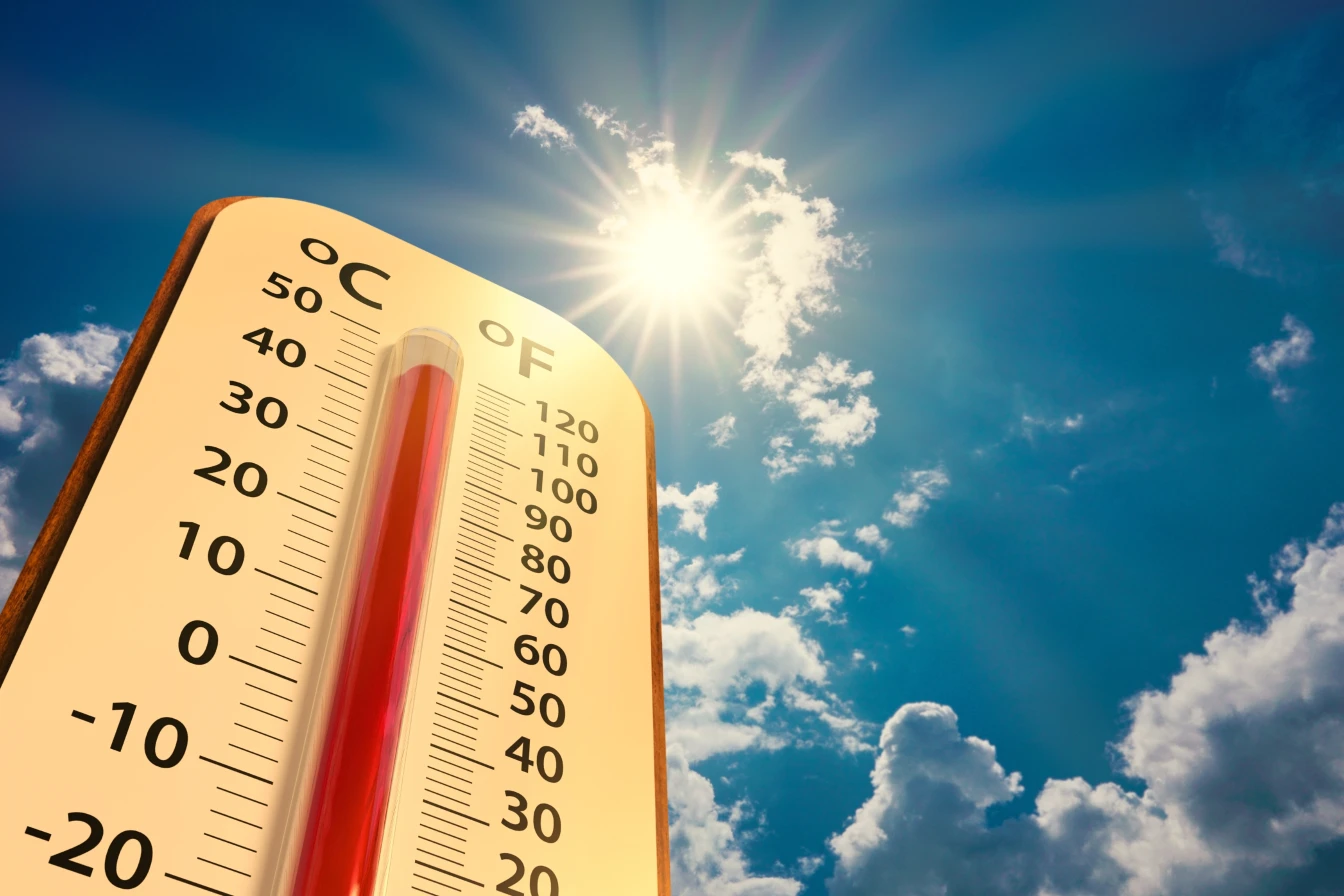
A major University of Oxford study warns that nearly half of the global population, about 3.79 billion people, could be living with extreme heat by 2050 if global temperatures rise to 2 °C above pre-industrial levels; a scenario scientists now see as increasingly likely.
Released in Nature Sustainability, the research shows that the world is already approaching dangerous climate thresholds: in 2010, about 23% of people lived with extreme heat, but by mid-century that could climb to 41% under continued warming.
Why This Matters for Africa
Many African nations are among those predicted to experience the sharpest increases in dangerously hot conditions. Countries like Nigeria, the Central African Republic and South Sudan are projected to see significant rises in the number of extremely hot days, threatening human health, agriculture, water supplies and economies.
Health and Livelihood Risks
Extreme heat isn’t just ‘uncomfortable’, it’s a health hazard. Sustained high temperatures increase the risk of heat stress, dehydration and heat-related illnesses, especially among outdoor workers, children and the elderly. This compounds existing vulnerabilities in regions where access to cooling, electricity and resilient infrastructure remains limited.
Food, Water & Development
Africa is already facing situations as water scarcity and food security challenges, worsened by rising temperatures and shifting rainfall patterns. Projections show that climate change could reduce key crop yields and water availability, deepening development gaps if urgent action isn’t taken.
Adaptation vs. Emissions
The Oxford researchers stress that most of the increase in heat stress happens before even reaching 1.5 °C of warming, underscoring the urgent need for adaptation now including heat-resilient infrastructure, early warning systems and sustainable cooling solutions, alongside accelerated efforts to cut greenhouse gas emissions.
In Plain Terms:
If countries continue on the current climate path, millions of Africans could soon face daily temperatures that threaten lives, livelihoods, food systems and economic progress. This is not a distant future, it is unfolding now and a call to take action.





No comment