

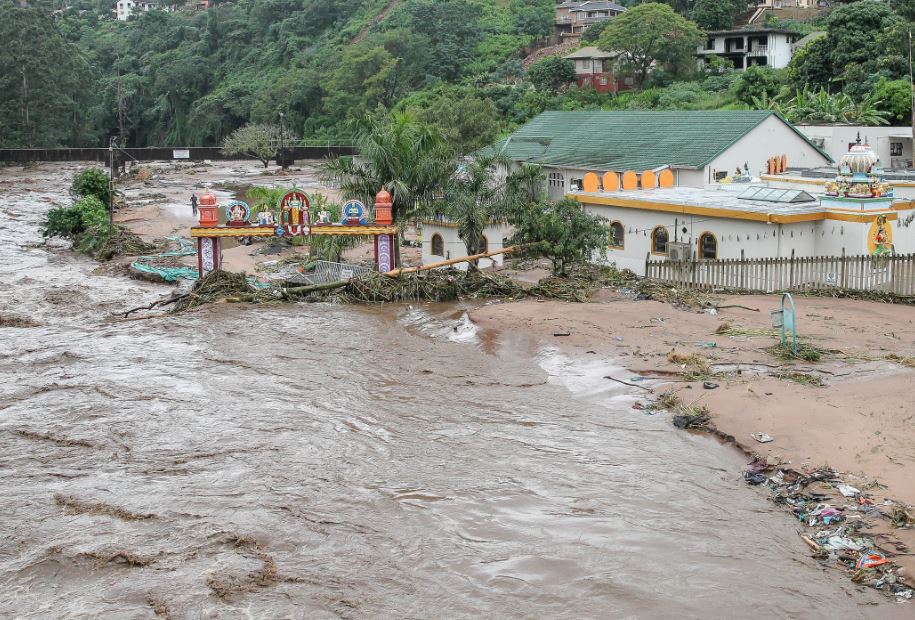
Recent torrential rains and flooding that ravaged southern Africa, killing more than 100 people, displacing over 300,000, and unleashing widespread destruction were not simply an act of nature. They were climate injustice made visible. A new peer-reviewed study confirms what communities across the continent have long known: human-induced climate change amplified rainfall intensity to levels far beyond historical norms.
Researchers from the World Weather Attribution group found that parts of South Africa, Mozambique, and Zimbabwe received what is normally a year’s worth of rain within just ten days; a rainfall event so extreme that it used to occur only once every fifty years. Nowadays, it is being turbo-charged by the heat trapped in our atmosphere from continued reliance on fossil fuels.
Scientists estimate the flooding was made roughly 40% more intense by climate change, turning what may have been a serious weather anomaly into a catastrophic disaster that overwhelmed infrastructure and human resilience.
A System Already Vulnerable, Now Exposed
In Mozambique, entire neighborhoods were submerged. Roads, bridges, clinics and hospitals were rendered unusable, and families found shelter on rooftops and in trees as water relentlessly rose. In South Africa’s Limpopo and Mpumalanga provinces, vast swathes of land were washed away. Zimbabwe reported similar devastation.
These are not isolated events, they are symptomatic of a climate system in overdrive, delivering heavier rains and storms with greater frequency and ferocity. What was once a “rare event” is increasingly becoming the lived reality for millions of Africans.
Climate Change + La Niña = Compound Risk
The study also highlights a cruel synergy: the natural La Niña weather pattern which historically brings wetter conditions to southern Africa, is now interacting with a warmer, moisture-laden atmosphere. This combination magnifies downpours and overwhelms drainage systems designed for a past climate regime, not the disrupted system we now live in.
Justice, Not Charity
Africa’s contribution to the greenhouse gases driving global warming remains minimal compared to wealthier industrialized regions, yet the continent is disproportionately bearing the brunt of its consequences. This brutal asymmetry, a core principle of climate injustice underscores the urgency of equitable climate action.
While global governments continue to debate emissions targets, Africa’s communities are already paying the price: disrupted livelihoods, shattered infrastructure, food insecurity, and a spiralling need for adaptation finance. These floods are more than a humanitarian crisis, they are a clarion call for climate justice.
What Must Happen Next
African nations and climate advocates must insist on:
- Climate finance that matches loss and damage — not just mitigation.
- Locally developed climate models that reflect African weather patterns and vulnerability, rather than relying solely on tools created elsewhere.
- Robust adaptation infrastructure — early warning systems, resilient flood defenses, and community-led disaster planning.
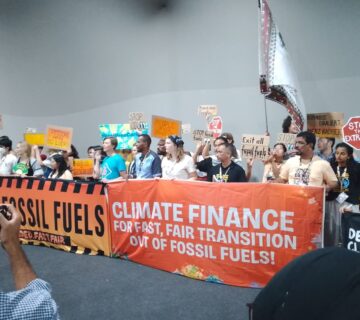
- A global shift away from fossil fuels with real accountability from major emitters.
Southern Africa’s floods are a stark indicator: climate change is no longer a future threat, it is a present injustice. The question is no longer if the world will act, but when and how Africa’s voice will shape that action.

No comment