

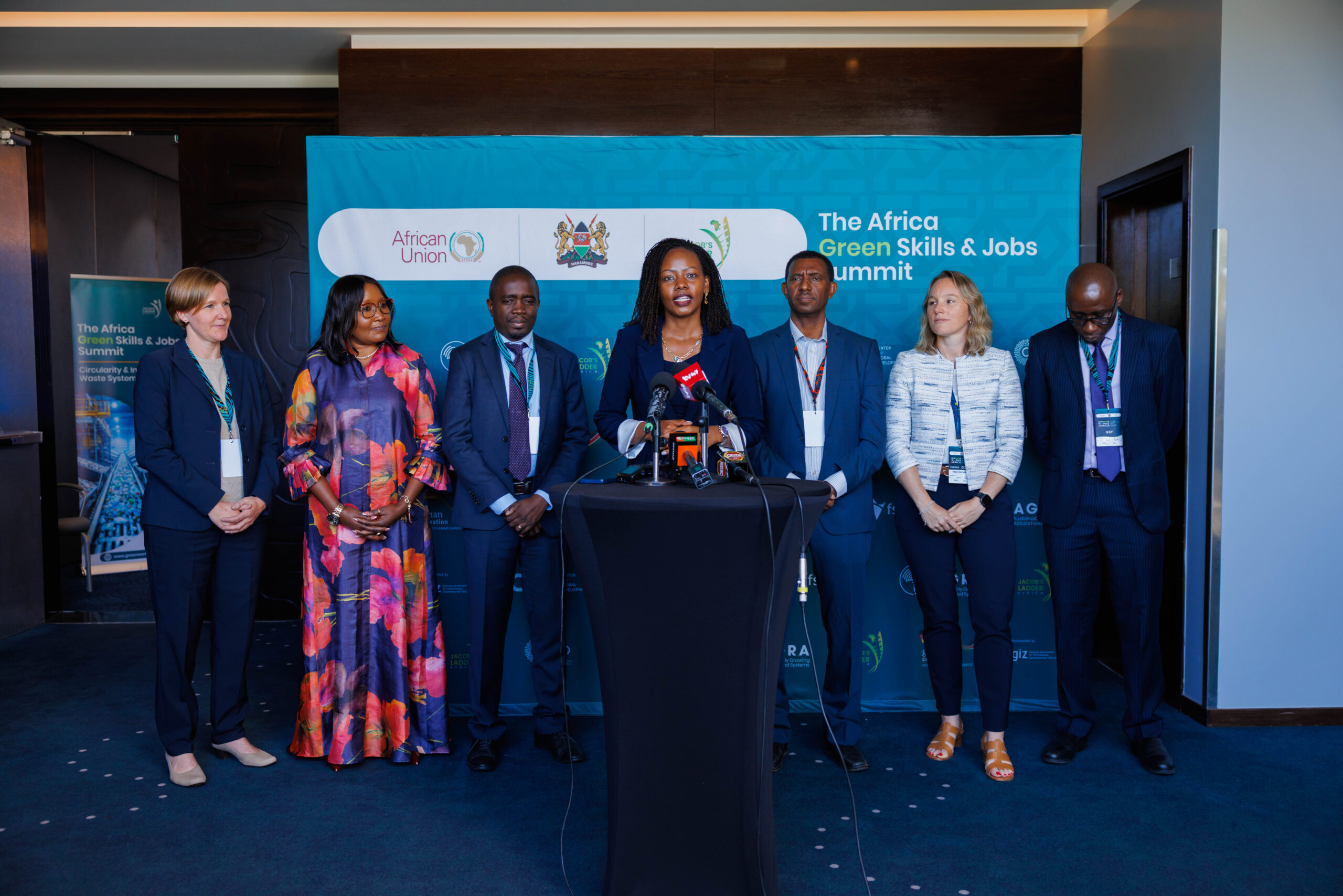
Nairobi, Kenya – Africa’s transition to a low-carbon economy could become one of the continent’s biggest opportunities for tackling youth unemployment, strengthening businesses and building more resilient economies, participants at the inaugural GreenWorks 4 Africa Forum in Nairobi have said.
The two-day forum, which brought together policymakers, investors, businesses, development organisations and education leaders, is focused on a question with growing urgency across the continent: How can Africa turn climate action into decent jobs and inclusive economic opportunity?
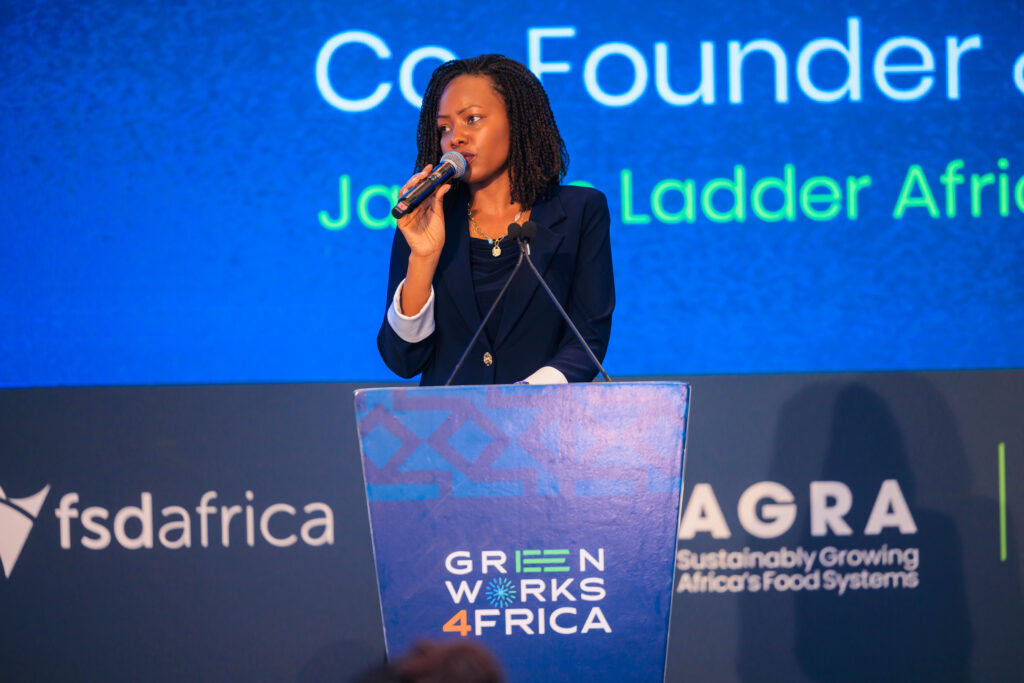
Organised by Jacob’s Ladder Africa in partnership with the African Union Commission, Kenya’s Ministry of Environment, Climate Change and Forestry, FSD Africa, GIZ Kenya, AGRA and the Center for Global Development, the gathering is placing green employment at the centre of Africa’s climate and development conversation.
Rather than treating the green transition as a distant policy ambition, participants are examining practical African solutions that can be expanded across countries and communities.
Turning the green transition into opportunity
Africa faces a major employment challenge. Millions of young people enter the labour market every year, while the number of formal jobs created remains far below what is needed.
The green economy could help narrow that gap.
Research presented by FSD Africa suggests that Africa’s green transition could generate 3.8 million to 7.9 million jobs by 2030, potentially rising to between 65.9 million and 84.5 million by 2050, depending on the pace of technological adoption and the continent’s exposure to climate risks.
Much of this employment could emerge from sectors already gaining momentum across African markets, including solar energy, clean cooking, waste recycling, electric mobility and other decentralised green services.
Africa currently accounts for only a small share of the global renewable energy workforce, while access to technical and vocational training remains limited among young Africans. At the same time, only a fraction of climate finance is directed towards developing the skills required for the green economy.
That gap between investment and skills is becoming one of the defining challenges of Africa’s transition.
Skills must accompany climate investment
Participants at the forum stressed that financing clean technologies without investing in people could leave many young Africans on the margins of the green economy.
The emerging message is clear: Africa needs to build the workforce alongside the infrastructure.
Governments, investors, employers and training institutions must work more closely to understand the skills emerging industries actually require and ensure young people can access relevant training.
This is particularly important for communities already facing the effects of climate change.
From renewable energy technicians and waste entrepreneurs to climate-smart farmers and electric mobility operators, green jobs can connect climate solutions with household incomes and local economic development.
Four sectors at the centre
The forum is focusing on four areas with significant potential to shape Africa’s green economy:
- Renewable energy
- Climate-resilient agriculture
- Electric mobility and green urban infrastructure
- Circular economy and waste management
These sectors sit at the intersection of climate action, economic development and everyday life.
For example, expanding clean energy can improve access to electricity while creating technical and entrepreneurial opportunities. Circular economy businesses can reduce waste while generating income. Climate-resilient agriculture can protect food systems while supporting rural livelihoods.
The challenge is ensuring that these opportunities are accessible to young people, women and communities that have historically had limited access to finance, technology and formal employment.
The forum also unveiled initiatives designed to strengthen coordination across Africa’s emerging green workforce.
The African Green Jobs Toolkit brings together lessons from existing projects to guide governments, organisations and investors on programme design, financing and workforce development.
Another initiative, the African Green Jobs Taxonomical Standard, seeks to establish common definitions for green occupations and skills, aligned with the African Continental Qualifications Framework.
Such common standards could make it easier for countries to identify workforce needs, design training programmes, and recognise skills across borders.
The discussions in Nairobi point to a broader reality; Africa’s climate transition cannot succeed if it is disconnected from the continent’s development priorities.
For millions of young Africans, the green transition will not be experienced through climate targets or international negotiations. It will be experienced through the jobs available, the businesses they can build, the skills they acquire and the quality of life those opportunities provide.
That makes green job creation more than an economic issue. It is also a question of climate justice.
A just transition must ensure that the people most affected by climate change are not excluded from the economic opportunities created by responding to it.
As Africa moves towards a low-carbon future, the task for governments and development partners is therefore twofold: reduce climate risks while building economies in which young people can find meaningful and sustainable livelihoods.
The GreenWorks 4 Africa Forum advanced that conversation by moving beyond commitments towards partnerships, skills and investments that can turn Africa’s green transition into tangible opportunities.




No comment