
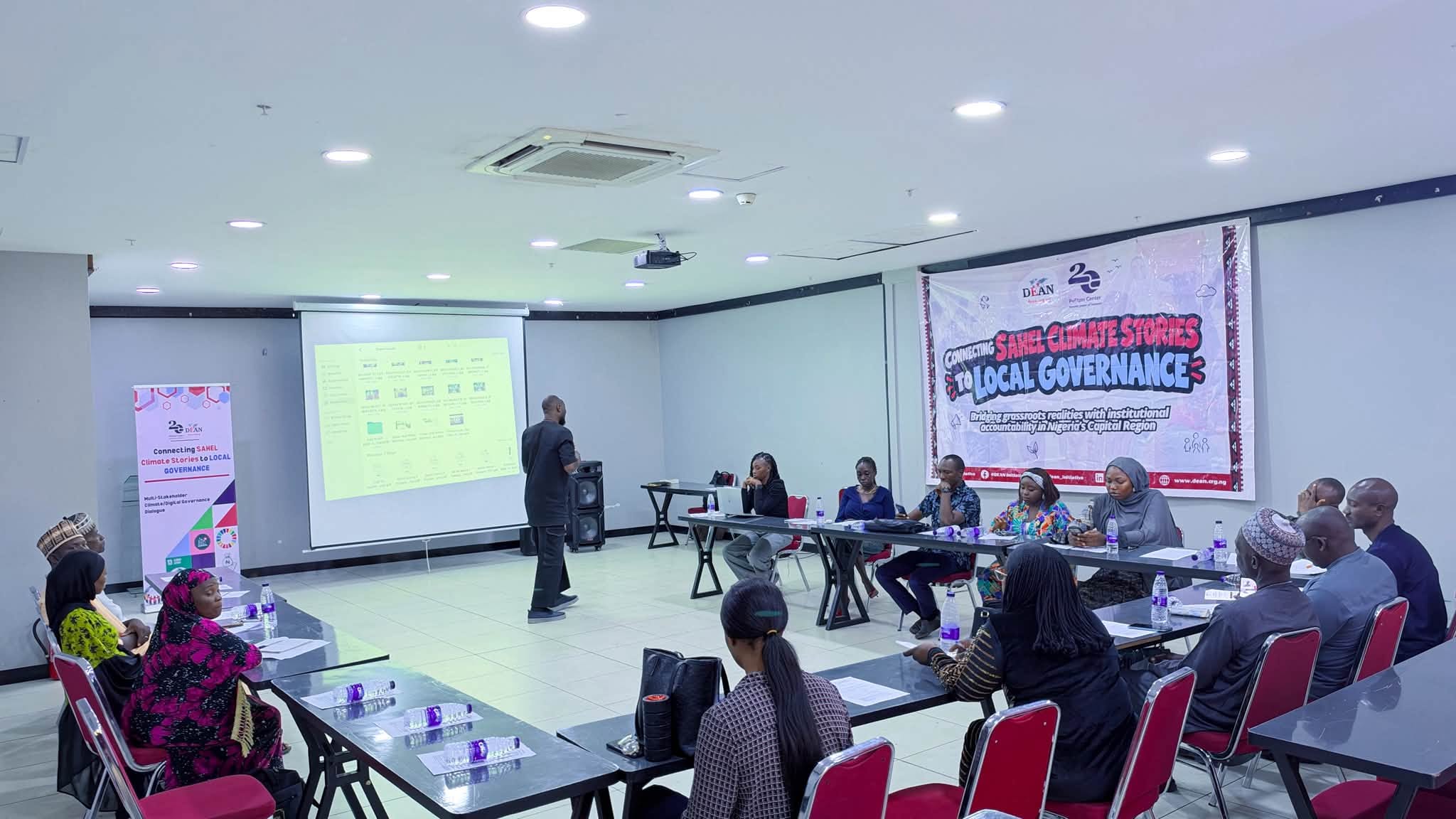
Stronger community participation, protection of agricultural land and development projects that respond to local priorities have emerged as key proposals at a climate governance dialogue in Abuja.
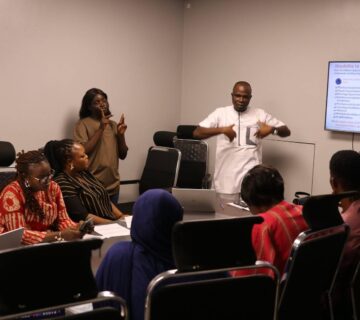
The meeting, organised by the Development of Educational Action Network (DEAN) on November 5, brought community representatives, government officials, youth groups, media and civil society organisations together to discuss environmental pressures and practical responses.
For communities experiencing land degradation and water shortages, the discussions connected climate governance with everyday questions: whether farmland remains productive, water is accessible and residents can influence decisions affecting their livelihoods.
Usman Mohammed, a youth leader from Paikon-Kore community in Gwagwalada Area Council, identified illegal mining and deforestation as threats to local livelihoods. He named Dobi and Paiko wards among affected areas, saying mining had damaged farmland and reduced its productive use.
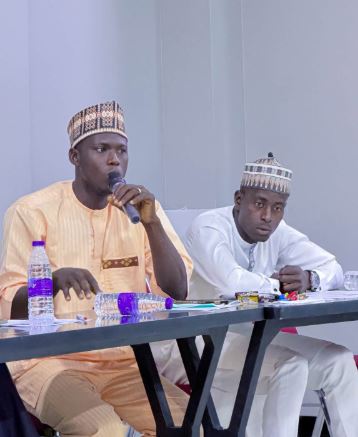
Mohammed linked the loss of farmland and vegetation to declining soil fertility, water scarcity and competition between farmers and herders. He also raised concerns about vegetation clearing by developers without corresponding tree planting.
His contribution highlighted the relationship between environmental protection and livelihood security. Protecting land and water resources formed part of a wider discussion about enabling communities to sustain themselves while responding to environmental change.
Let communities identify their priorities
Mohammed urged development organisations and public institutions to consult credible community representatives and qualified professionals before designing projects.
He stressed that needs differ between communities: some prioritise drinking water, while others require healthcare or schools. Interventions, he argued, should reflect those differences.
He also called for youth involvement in policy, budgeting and implementation, alongside constructive use of social media to document environmental concerns.
Connecting local stories with public decisions
DEAN Executive Director, Semiye Michael, said stronger relationships between communities and government institutions were needed to address environmental challenges.
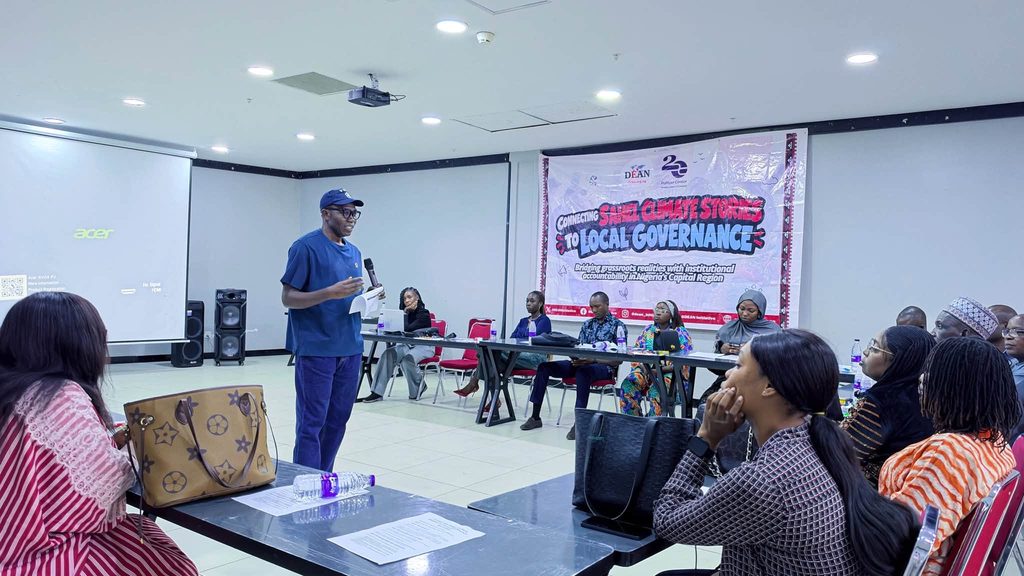
The dialogue examined findings from a community climate story lab in Paiko under the Pulitzer Center-supported project, “Connecting Sahel Climate Stories to Local Governance Realities in Nigeria.”
By bringing community experiences into governance discussions, the initiative sought to connect locally identified concerns with the institutions responsible for responding.
He advocated for building community capacity through local committees and partnerships, including arrangements that help residents seek support.
He also cautioned that expanding digital infrastructure, particularly data centres, could increase pressure on water resources. He called for environmental safeguards alongside technological development so that host communities benefit from investment.
Planning infrastructure for resilience
Chioma Amudi, National Desk Officer for Nationally Determined Contributions at the National Council on Climate Change, urged decision-makers to consider climate implications throughout the life cycle of infrastructure.
She identified power, transport, housing, water and waste management as sectors where planning choices could strengthen resilience, protect ecosystems and create employment.
Her intervention connected the community discussions with a broader development question: how infrastructure can support economic opportunities while safeguarding the resources on which people depend.
Across the dialogue, proposed responses included stronger consultation, youth participation, community committees and coordination between institutions. These approaches placed residents’ knowledge and priorities at the centre of efforts to protect livelihoods and build resilience.






No comment