
The foundation says investment in businesses connecting young producers to markets, alongside solutions identified by communities, can help fragile economies prepare for climate shocks.
Education Above All Foundation has called for practical measures to ensure climate finance reaches the lowest income communities and fragile settings before disasters strike, with young people involved from the beginning in shaping the response.
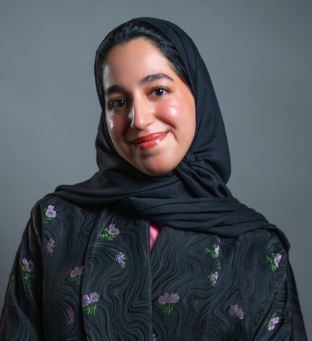
In an interview with Climate Justice Africa Magazine (CJAM), Sara Keshaish, Enterprise Development Senior Officer at the foundation, highlighted the importance of protecting the livelihoods young people are working to build.
“At Education Above All Foundation, we came to COP31 with a question: how do we protect the livelihoods young people are working so hard to build?” she said.
Keshaish explained that the foundation’s panel, “The Missing Middle of Climate Action: Jobs, Markets and Resilience in Fragile Economies,” focused on the businesses and services connecting young producers to markets. The panel brought together the International Labour Organization (ILO), the United Nations Industrial Development Organization (UNIDO) and the Islamic Development Bank (IsDB).
In fragile economies, she said, this middle section of the chain is where most young people earn a living, yet it is often the first to stop functioning when a climate shock occurs.
She illustrated the consequences through the example of a young farmer who spends months growing a crop, only for flooding to cut off the road and prevent a truck from transporting the harvest to market.
“A season’s work and the income a family was counting on can disappear in a matter of days,” Keshaish said.
Protecting that livelihood, she explained, requires helping the traders, drivers and small businesses responsible for moving and storing harvests prepare for climate shocks.
“We believe economic empowerment is how resilience is built: when young people have decent jobs, skills and access to finance, they can recover faster and survive the next shock.”
Climate finance before disaster strikes
On the outcomes the foundation would like to see from COP31, Keshaish called for practical ways to direct climate finance towards the lowest income communities and the most fragile settings, particularly those already affected by conflict and displacement.
She referenced the Ministry of Sports and Youth’s session, “Heard, Now Empowered: Turning Youth Voices into Climate Action,” which examined how young people could turn their ideas into climate action.
The discussion, she said, returned to a fundamental question: who gets to shape the response?
“Young people should be involved from the beginning, while there’s still room to decide which risks to address and which solutions to support,” she said.
This should include young people whose livelihoods are already affected by climate shocks and who rarely have a say in decisions affecting them.
Funding solutions identified by communities
Keshaish said donors and development partners should fund solutions that communities identify themselves to translate commitments into practical results.
At Oxfam’s session, “From Risk to Resilience: Advancing Climate Adaptation and Disaster Risk Reduction in Fragile and Conflict-Affected Settings (FCAS),” the foundation shared an example from its agricultural work.
Farmers received seeds, tools and training, while community members earned income by helping restore irrigation canals on which local farmers depend.
“After COP31, we’d like to see more investment in projects like this that support incomes today and build the resilience communities need to survive the next shock,” Keshaish said.
“Young people should help decide what to invest in and how to put those plans into practice.”




No comment