
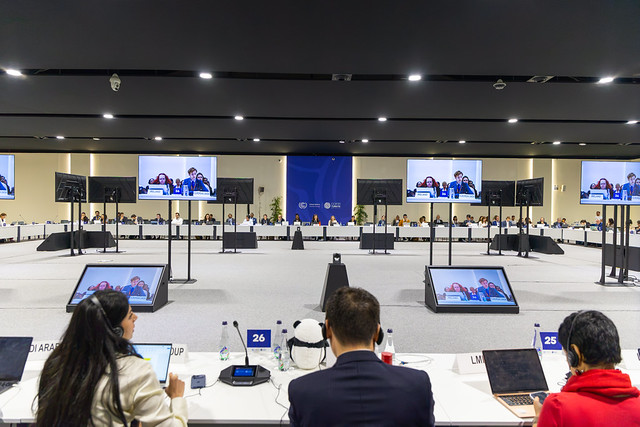
An informal ministerial gathering sought common ground across negotiating tracks as the Presidency urged countries to translate progress into a balanced outcome in Antalya.
COP31 Presidency has drawn on Türkiye’s centuries-old Divan tradition of collective deliberation to help ministers bridge differences and bring separate negotiating tracks together as the climate conference approaches its closing days.
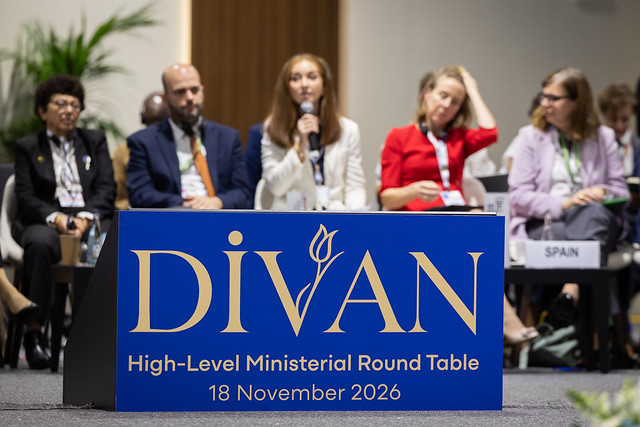
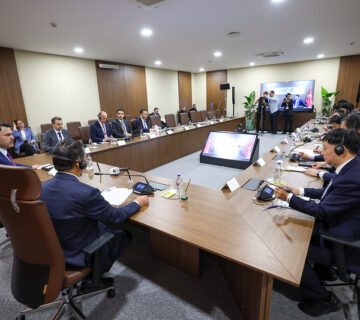
Convened by COP31 President Murat Kurum and President of Negotiations Chris Bowen, the informal gathering gave participants an opportunity to consider the conference’s overall outcome, explain their priorities and identify where compromise might be possible.
According to the Presidency, the COP31 Divan was open to ministerial-level representatives of all Parties, negotiating group chairs and observer constituencies. It was intended to support a Party-driven and transparent exchange on the political choices needed to reach agreement.
The discussions focused on how work across the conference could form a balanced package, bringing together technical negotiations, Presidency consultations and the efforts of ministerial pairs working to resolve outstanding issues.
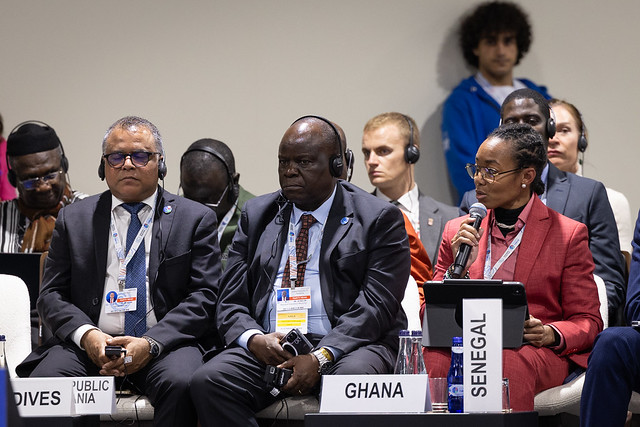
Kurum urged participants to use the exchange to identify practical routes forward.
“What we need at this stage is not so much to reiterate our respective positions, but rather to identify where we can move forward together,” he said.
He added that the views expressed would guide the Presidency’s consultations through the remainder of the week, helping it assess both areas of convergence and unresolved differences.
“As we approach the final days of COP31, let us uphold the spirit of the Divan in our discussions here: let us listen to one another, broaden our common ground and translate what is possible into concrete outcomes,” Kurum said.
The approach takes its name from a tradition of assembly and counsel in which people with different responsibilities came together to weigh difficult choices and determine a common course.
The Presidency cited the Divan-ı Hümayun, or Ottoman Imperial Council, as its best-known historical example. The council considered diplomacy, administration, finance and justice as connected affairs requiring collective judgment.
Applied to COP31, the format encouraged ministers to look across the negotiating agenda and consider how different elements could fit into an overall agreement. Participants were invited to explain where their delegations saw room for common ground and what they would need to support an outcome.
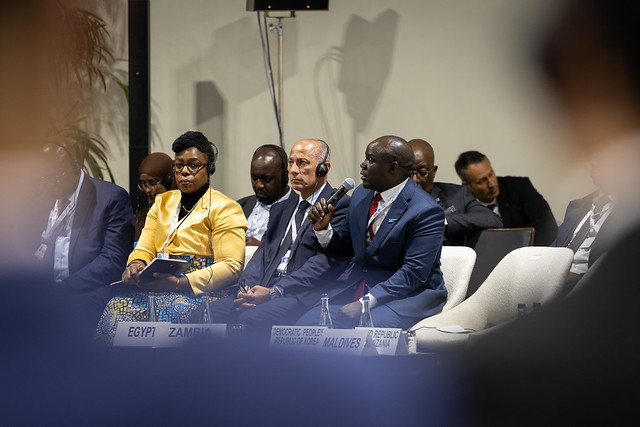
Bowen framed the closing negotiations as a test of international cooperation and the ability of climate diplomacy to respond to pressures affecting people’s lives.
“This is a chance for the world to show we can work together on climate change and deliver on the real economic and energy pressures people are facing,” he said.
“Now we need to build on common ground and deliver an ambitious, balanced and practical message to the world.”
The Presidency’s account did not identify specific compromises, disclose which issues remained unresolved or announce an agreement arising from the gathering.
The Divan therefore served as a forum for political consultation, with its contribution to the conference’s outcome depending on whether the common ground identified could be translated into agreement during the remaining negotiations.

No comment