
The climate finance proposal comes as African negotiators seek stronger rights to tax multinationals that earn revenue in their markets, including companies with no physical presence.
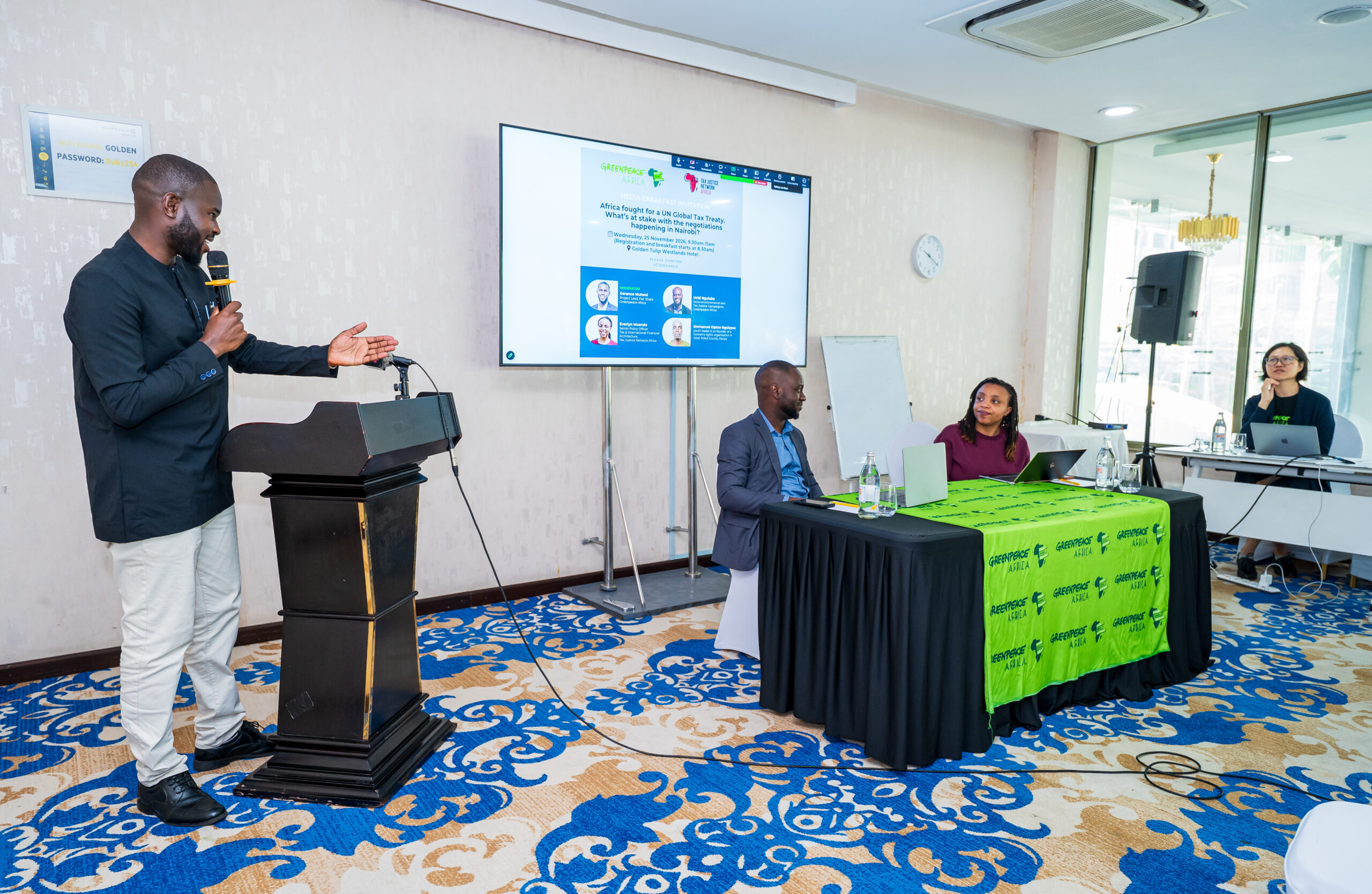
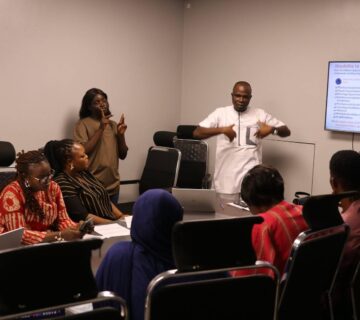
Greenpeace Africa has called for a 20 per cent tax on the global profits of the world’s largest oil and gas companies, with the proceeds directed towards international climate programmes that support communities hardest hit by climate change. The organisation made the case at a media breakfast on Wednesday, five days before governments are due to open the next round of United Nations tax treaty negotiations in Nairobi.
In its presentation, Greenpeace Africa estimated that the proposed levy could raise more than US$100 billion a year in its first few years and called for the rate to rise over time. It also urged governments to agree on minimum standards for taxing extreme wealth, improve transparency around assets held across borders and redirect public subsidies from polluting industries towards climate action and nature protection.
The levy is a Greenpeace Africa proposal. Governments meeting at the UN Office in Nairobi from 30 November to 10 December will negotiate the draft UN Framework Convention on International Tax Cooperation and two related protocols. The UN expects the final text in 2027.
Who gets to tax multinationals?
For Tax Justice Network Africa (TJNA), the negotiations turn on a question with consequences for public budgets across the continent: which country gets to tax income from cross-border business? In its briefing, the network traced the talks to a 2022 initiative led by Nigeria on behalf of the Africa Group at the UN. It argued that bilateral tax treaties have restricted African governments’ ability to tax income from economic activity within their borders.
Article 5 of the revised draft would give greater weight to where companies do business, earn revenue and create value when determining which countries can tax them. For example, a digital platform can earn advertising revenue from a country without maintaining an office there. The draft would give countries a stronger basis to claim taxing rights in such cases by taking into account where customers, users and data are located. The wording remains under negotiation.
TJNA sees stronger taxing rights as a way for African governments to raise more of their own revenue to fund development. Greenpeace Africa is pressing governments to go further by targeting major polluters and using the revenue to help pay for climate action.
What the talks could mean for climate finance
Kenya’s National Treasury estimates that floods in late 2023 and early 2024 caused KSh 187.8 billion in damage and economic losses. The estimate captures the scale of the economic shock in the country hosting the talks, where the Treasury has identified rising public debt and declining international aid as constraints on financing disaster response.
The two proposals raised at the briefing address different parts of that financing problem. A change to Article 5 could give countries more scope to collect tax on income generated in their markets. Greenpeace Africa’s levy would target a specific source of profits and earmark the proceeds for climate programmes. How much reaches communities exposed to floods, drought and other climate hazards would depend on how governments collect, allocate and spend the money.
During the talks, Greenpeace Africa and its partners plan to hold a “Don’t Look Away” festival at the Kenya National Theatre on 1 December, from 3 p.m. to 7 p.m. Nairobi time. The organisation says the event will bring together artists, campaigners and representatives from climate-affected communities in Kenya and the Philippines to press for greater accountability from major polluters.




No comment